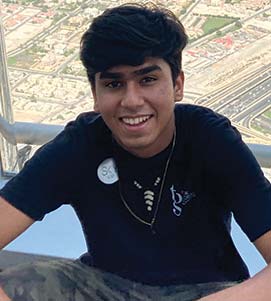
This project taught me the importance of collaboration and using people as a resource. Because we were able to combine our skillsets, we could create a high-quality final product, which I do not think I would have been able to achieve alone. I learned a lot from this team project, including troubleshooting Premiere Pro and maintaining our sense of humor in stressful situations.
-Class of 2023 Student Dhruv G.
As a personal project this term, CM2 students Niko W. and Dhruv G. challenged themselves to develop a short documentary capturing the essence of how modules work at TGS, using the Mo-Botics module as an example. They set out to answer the following driving question: “How can we use documentary filmmaking to capture the essence of PBL at TGS?”
The pair investigated different aspects of documentary filmmaking and combined their prior experience and skillsets to storyboard, plan, and execute the film. They also used a combination of student interviews and shots from module excursions as the film’s backbone.
By dividing roles and putting in a substantial amount of post-production editing, they achieved a high-quality final product which they presented at the THINK Beyond showcase.
Driving Question:How can we convey the complexities of ethnic and religious reconciliation through our experience of Bosnia and Herzegovina?
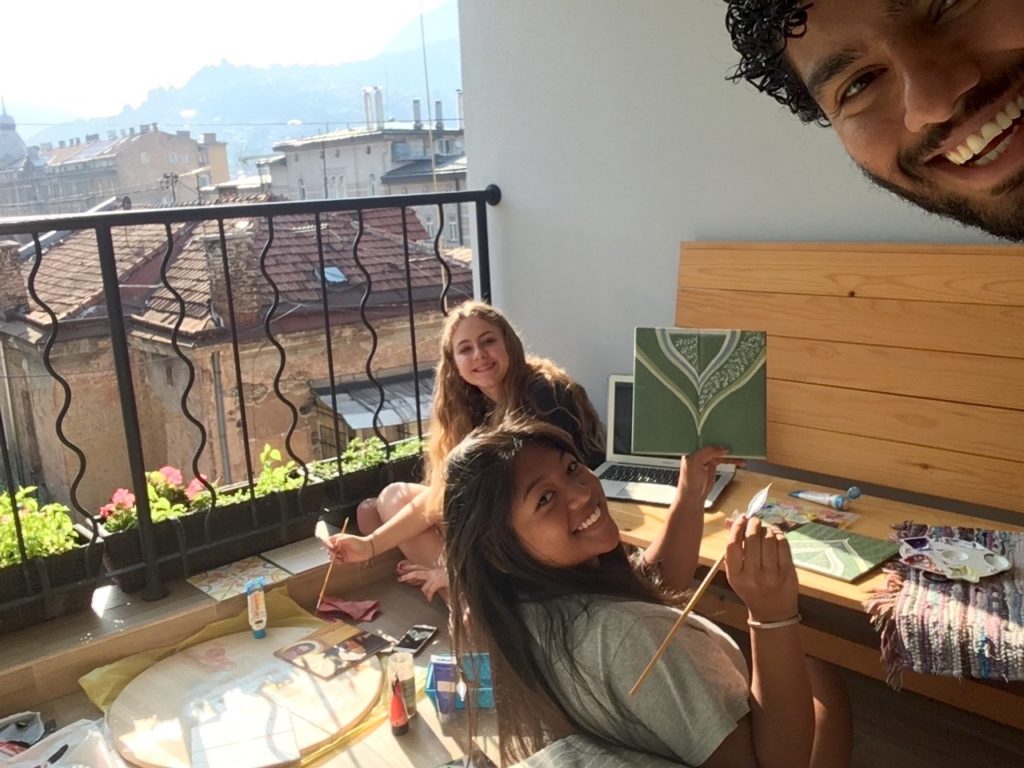
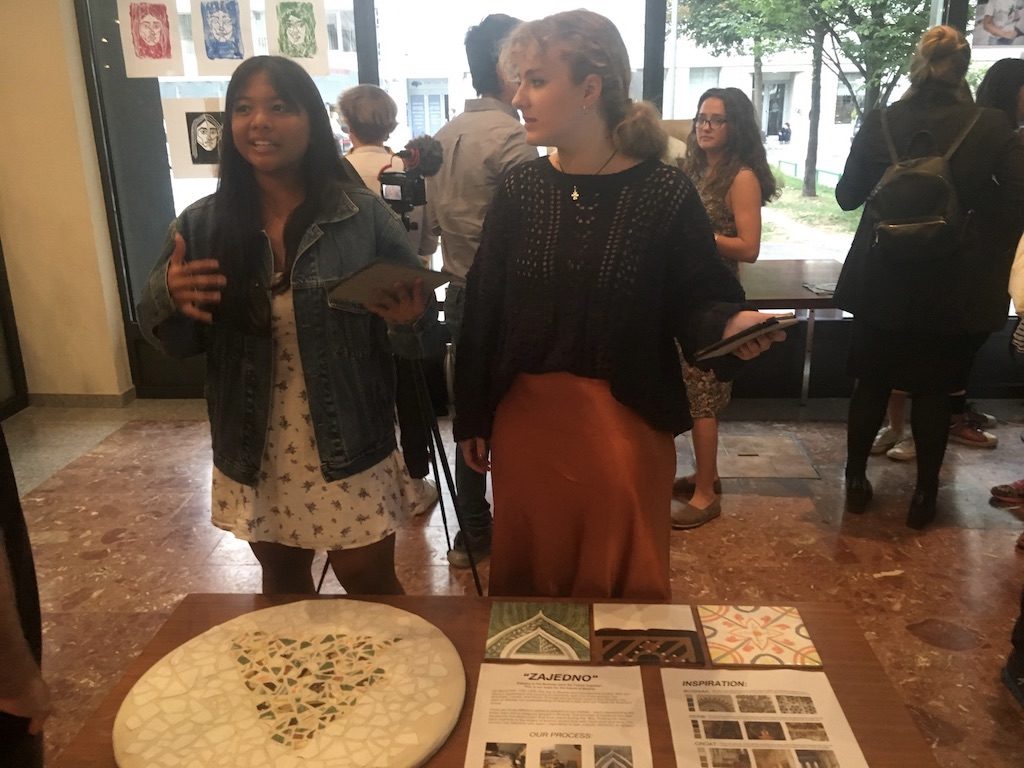
Students Lexie and Gigi decided to tackle an art form that was new to them for their project: crafting a mosaic. The project was filled with symbolism: breaking the tiles represented the destruction that took place during the 90s conflict. Putting the tiles back together in the shape of Bosnia showed that with hard work and time (and given that this was a new art form for the two of them, it required a lot of hard work and time), Bosnia can one again become, regardless of age, culture, ethnicity, or religion.
Lexie and Gigi visited Bosniak mosques, Serbian Orthodox churches, and Croatian Catholic churches to understand what color tiles to use in the mosaic. They learned that green is an essential color in Islam and is Muhammad’s favorite color, that Orthodox churches are often very colorful, and that Croatian Catholic churches heavily feature whites and golds.
Once they had identified color schemes and prominent designs, they created patterns based on what they had seen during their scouting process and featuring the colors mentioned above. Once the tiles were created, they smashed them into pieces (90s destruction). Next, they combined the colored elements with white tiles to form the outline of Bosnia and Herzegovina. To finish the piece, Lexie and Gigi grouted the gaps and glossed the top to make everything shine.
Driving Question: How can I address some of the present threats to global health while promoting human rights and social progress?
Project Overview: In this module, students were introduced to the foundations of global health. They learned about basic concepts, measurements, and determinants of health, and a number of key perspectives for considering global health issues.
For her project, Estelle explored water scarcity in Honduras, which leads to a lack of basic sanitation and clean water for up to 1.8 million people. Non-communicable diseases in Honduras attributed to water cause a DALY rate of 4,540 per 100,000 people. Disease spreads through contaminated food and water tanks, and poor management, climate change, and political unrest worsen the issue.
Project Reflection: “Exploring the niche of environmental global health opened my mind to so many new areas of interest in this field. I thoroughly enjoyed this module and felt like the skills will be very applicable to other modules.”
Driving Question: How can we convey the complexities of ethnic and religious reconciliation through our experience of Bosnia and Herzegovina?
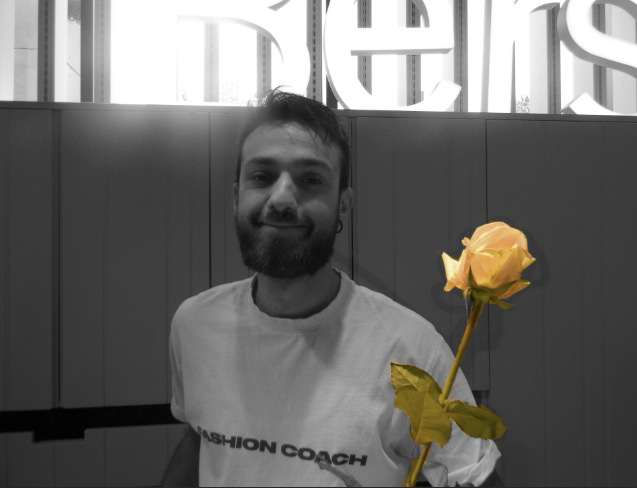
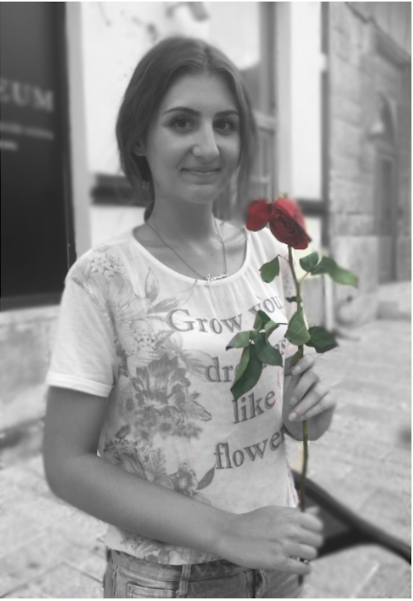
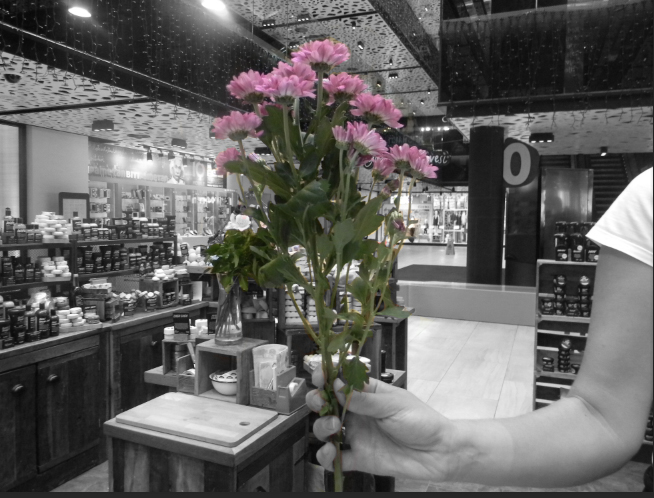
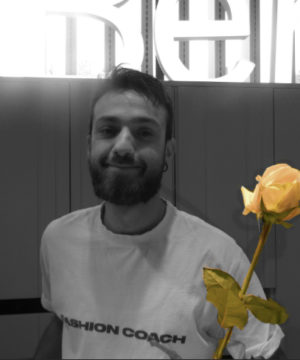
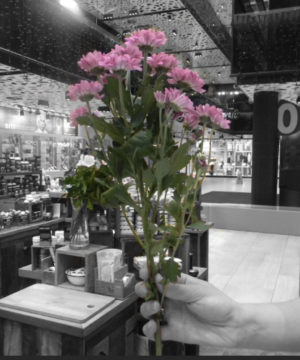
For her summative assessment, Class of 2021 student Malak B. went an artful route by working on a series of pictures of Bosnian strangers. Each held up a flower representing a value that they believe leads to reconciliation, along with a description of why they hold that belief.
The end project demonstrated how different people in Bosnia and Herzegovina hold different views on reaching reconciliation. In the end, it turns out, no matter their ethnicity, everyone strives towards the same goal.
Driving Question: How can I address some of the present threats to global health while promoting human rights and social progress?
Project Description: My project is a policy brief about the Malaria situation in Congo. It includes its nature and magnitude, the most affected populations, the socio-economic consequences, and the potential solution to reduce the burden. The policy aims to convince the finance Minister of Congo to invest in solutions for Malaria.
Project Reflection: “I enjoyed hearing from my peers how the health care systems function in different countries. A challenge was writing in the concise and precise way required for the policy brief.” -Sofia W.
October 8, 2020 by Nada A. Kirsten A. and Guillermo M.
Driving Question: How might we collaboratively implement a design-thinking process to meet the needs of the community we serve?
What were your goals for this module? How did you achieve them?
For this module, we all had a common goal, create a fun product for young people that will help them connect with themselves, so we produced a notebook with a lot of cool stuff in it.
What did you learn about yourself or about your creative process or about your medium?
I enjoyed researching and designing the driving questions for the journal. It was really insightful for me because I was basing what we had learned from the interviews and shaping it into something our users could interact with. I like that we were able to refine our product based on the feedback we got. At first, I thought that it would be hard to change all our work for the comments, but it turns out that it was beneficial. It made our vibey journal better.