Back
  1. Capoeira

    December 10, 2024 by Teacher-Led Module

    Driving Question:

    How does capoeira embody the essence of Afro-Brazilian culture and history?

    Module Summary:

    The teacher-led module “Capoeira” explores the history, cultural significance, and practice of Capoeira, a Brazilian martial art with roots in African traditions. Students examine how Capoeira developed during colonial times, its periods of restriction and criminalization, and its eventual legalization and global spread. Through this lens, the module highlights Capoeira as both a physical discipline and a cultural expression deeply connected to Afro-Brazilian identity.

    Throughout the module, students engage in hands-on learning and cultural immersion to develop their understanding of Capoeira. Learners participate in weekly Capoeira classes, where they practice movement, rhythm, and technique, as well as learn to play traditional instruments such as the berimbau. They explore different styles of Capoeira, including Angola and Regional, and deepen their skills through an intensive training experience with expert practitioners, including sessions at ABADÁ-Capoeira, a globally recognized Capoeira organization.

    In their final assessment, students create and perform a choreographed Capoeira piece that incorporates the styles and techniques they have learned. The process requires collaboration, creativity, and communication, as students from diverse backgrounds work together to build a cohesive performance. Through this experience, the module emphasizes the importance of cultural appreciation, physical expression, and teamwork, allowing students to engage with Capoeira as both an art form and a living cultural tradition.

  2. Footballnomics: Triumph on the Field and in the Global Economy

    by Teacher-Led Module

    Driving Question:

    To what extent does football contribute to Brazil’s economy?

    Module Summary:

    The teacher-led module “Footballnomics” explores the cultural, social, and economic impact of football in Brazil. Guided by the driving question, to what extent does Brazilian football impact its economy, students investigate how football shapes communities and contributes to economic systems. The module highlights football not only as a sport, but as a powerful social force that connects people and influences national identity.

    Throughout the module, students engage in experiential learning, field visits, and academic study to better understand football’s role in Brazilian society. Learners participate in activities such as playing beach football, attending live matches, visiting stadiums, and exploring favelas, gaining firsthand insight into how football is embedded in everyday life. They also collaborate with organizations that use football as a tool to support youth and provide safe community spaces.

    Academically, students explore both the economics and psychology of football, including topics such as supply and demand, financial systems within the sport, marketing strategies, and concepts like tribalism in fan culture. The module is further enriched by guest speakers, including former professional players, coaches, and advocates addressing issues such as racism in football and the global influence of the sport. In their final projects, students apply their learning by creating games and simulations that reflect the economic and strategic aspects of football, demonstrating how the sport operates both on and off the field.

  3. Quake Quest

    September 12, 2024 by Teacher-Led Module

    Driving Question:

    How can we improve earthquakes preparedness in Vancouver through collaboration and innovation?

    Module Summary:

    The teacher-led module “Quake Quest” explores the science, history, and societal impact of earthquakes in Vancouver and the surrounding region. Guided by the driving question, how can we improve earthquake preparedness in Vancouver through collaboration and innovation, students investigate the risks associated with seismic activity and the strategies communities use to prepare for and respond to natural disasters. The module emphasizes interdisciplinary learning, combining science, mathematics, history, and technology to better understand earthquake preparedness.

    Throughout the module, students learn from guest speakers, field experiences, and hands-on investigations that deepen their understanding of earthquakes and disaster response. Students explore Indigenous knowledge through stories such as the Thunderbird and Whale, which help explain natural phenomena and preserve historical records of seismic events. They also receive training in emergency preparedness from Christine Bodnarchuk of the BC Earthquake Alliance, learning essential safety practices such as “Drop, Cover, and Hold On.” Additional speakers introduce topics including search-and-rescue operations with trained dogs, artificial intelligence in disaster response, and the role of satellite data in detecting ground movement after earthquakes.

    Students also participate in experiential learning opportunities, including visits to local geological landmarks along the Sea-to-Sky corridor and the Museum of Anthropology, where they explore both the geological causes of earthquakes and their cultural and historical impacts. In their final assessments, students apply their learning by creating tabletop games that incorporate earthquake science and probability concepts, as well as developing AI-based proposals aimed at improving earthquake preparedness, response, and recovery. Through these projects, students demonstrate how collaboration, technology, and education can help communities better prepare for future seismic events.

  4. Roof Rights

    by Teacher-Led Module

    Driving Question:

    How can we understand the impact of equity and Canadian policies on the unhoused populations of Vancouver to propose new policies?

    Module Summary:

    The teacher-led module “Roof Rights” explores the challenges of housing affordability and homelessness in Vancouver. Guided by the driving question, how can we understand the impact of equity and Canadian policies on Vancouver’s homeless population in order to propose new policies, students investigate the social, economic, and political factors that shape housing access in the city. The module encourages learners to analyze real-world systems and develop policy-based solutions to address the housing and homelessness crisis.

    Throughout the module, students conduct independent research, field visits, and discussions with experts to better understand the issue. Learners visit sites such as the Chinatown Foundation and East Hastings, where they observe initiatives focused on supporting unhoused individuals and revitalizing communities. They also explore other areas of Vancouver, including Deep Cove, to examine the contrast between neighborhoods with high livability and those facing significant housing challenges. These experiences help students understand how access to services, resources, and inclusive infrastructure shapes quality of life in urban environments.

    Students also learn from guest speakers and researchers who share insights into homelessness, drug policy, and social support systems in Vancouver. Speakers include filmmaker Dominic Streeter, author Travis Lupick, and researcher Jing Xue, who discuss topics such as substance use, safe injection sites, and experimental housing initiatives. The module culminates with students developing policy proposals aimed at improving support systems for unhoused populations, addressing areas such as community centers, rehabilitation programs, mental health resources, and housing assistance.

  5. Beyond Existing

    by Teacher-Led Module

    Driving Question:

    How can we apply our learning of indigenous environmental advocacy in Canada to create a sustainable NGO in our home country?

    Module Summary:

    The teacher-led module “Beyond Existing” explores the intersection of Indigenous environmental advocacy and NGO development in Canada. During the module, students examine how Indigenous perspectives, histories, and cultural traditions shape approaches to environmental stewardship and community advocacy. The module challenges students to consider how these lessons can be applied globally by asking the driving question: how can students use their learning about Indigenous environmental advocacy in Canada to create a sustainable NGO in their home countries?

    Throughout the module, students engage in an immersive learning experience that combines research, workshops, guest speakers, and field experiences. Learners begin by building foundational knowledge about Indigenous history, culture, and social narratives in Canada before exploring real-world examples of advocacy and nonprofit work. Students also travel to Bowen Island, where they meet Indigenous artist and storyteller Simon James and learn about cultural practices such as totem pole carving, as well as visit the Chinatown Storytelling Centre to explore the relationship between governments and NGOs.

    In the later stages of the module, students participate in workshops focused on NGO development and social entrepreneurship, learning how to craft mission statements, develop a theory of change, and frame social issues effectively. Students also meet leaders such as Chloë Fraser, an environmental advocate and TGS alumna, and community figures including Karlen Thomas and Manvi Bhalla, who share their experiences in advocacy and nonprofit leadership. The module culminates in a charity ball event, where students pitch their NGO ideas to a panel of guests in order to secure support for their initiatives and demonstrate how they can apply their learning to create meaningful change.

  6. English for Afghan Women

    June 13, 2023 by Mehdia S.

    Project Summary:

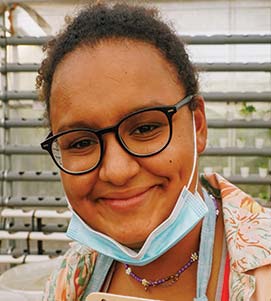
    Mehdia S, a senior student from Afghanistan, embarked on a mission to support women in her home country facing severe restrictions on education and social participation imposed by the Taliban since their takeover in August 2021. Recognizing the critical impact of these bans, which have left millions of girls without access to schooling or higher education, Mehdia launched the “English for Afghan Women” program to enhance English language and soft skills among Afghan girls.

    Far from Afghanistan, Mehdia found a way to contribute meaningfully by founding the English language program under the Afghan Youth Empowerment Camps, an organization she co-founded in 2019. This program, initiated from September to December, focused on developing reading, writing, speaking, and listening skills to elevate students’ proficiency from beginner to intermediate levels.

    The program attracted around 300 applicants, from which students were selected based on their academic needs. Mehdia and her team organized classes, assigned tasks, and provided weekly feedback and quizzes to monitor progress. The initiative also involved recruiting volunteers who received letters of recommendation for their contributions.

    The project concluded with the distribution of certificates to participants, marking the successful completion of the program. Through this initiative, Mehdia aimed to empower Afghan women, believing strongly in the transformative power of educating women for the broader societal good. As she noted, “If you educate a man, you educate an individual; but if you educate a woman, you educate a nation.”
  7. Central Palm Project

    January 28, 2022 by Saffron B.

    I gained a newfound appreciation for all of the work that goes into architecture. This module made me excited for the future since I got to learn about many new and upcoming sustainable technologies.

    -Class of 2023 Student Saffron B.

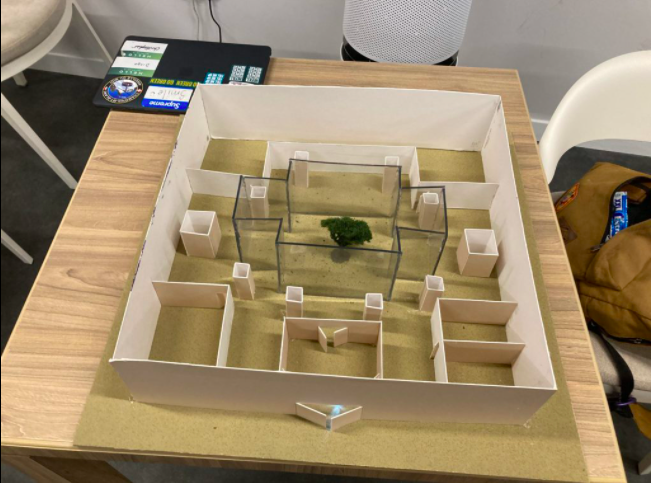
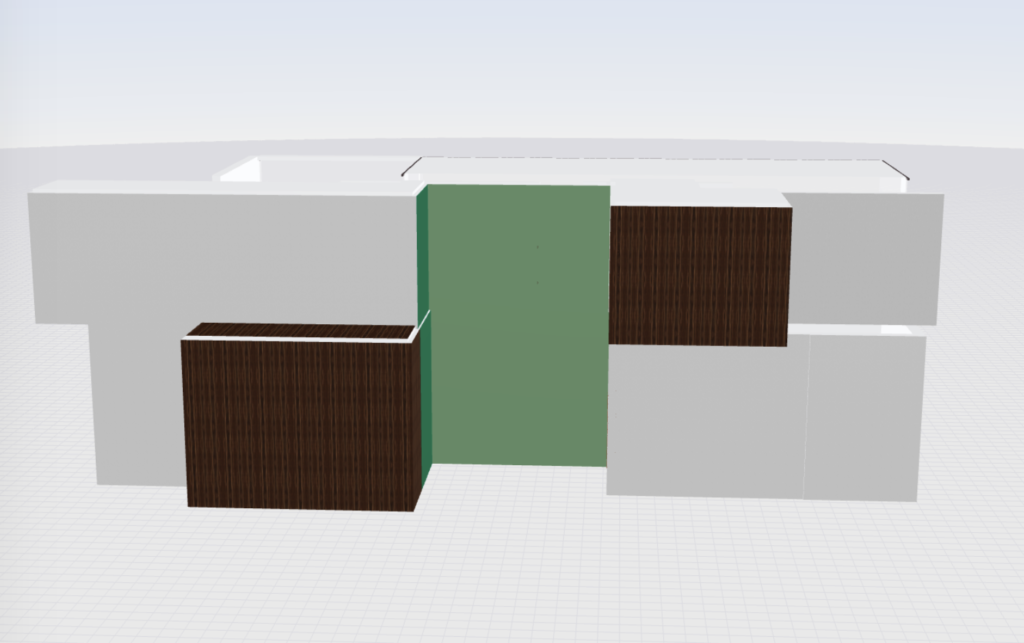
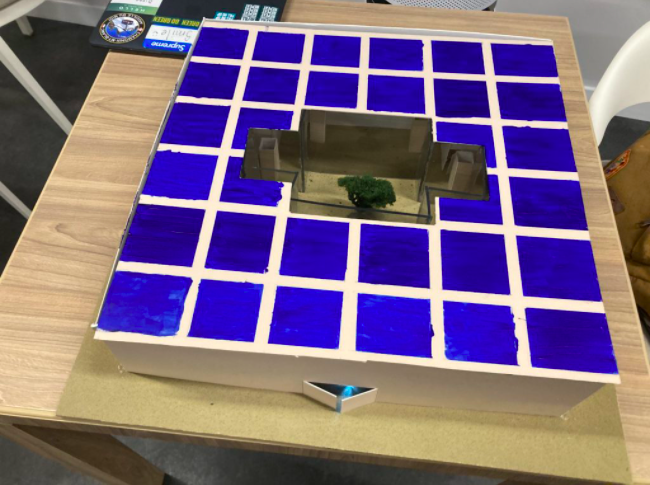
    My project, “Central Palm,” is located on the golden shores of Kite Beach. The central courtyard is the house’s spine, allowing year-round use due to the shade of the ghaf tree while still maintaining privacy from the outside world. The state-of-the-art Tesla solar roof reduces the owners’ reliance on the grid, even allowing you to sell excess solar energy back to the grid. Water-collecting tech that utilizes local sea breezes alongside sound-absorbing glass, inspired by the Czech Republic Expo pavilion, combines sustainability and modernity, thereby maintaining harmony with the local environment. The house features traditional Islamic design, such as columns, a majlis space for entertaining guests, and a prayer room. This house isn’t the future; this house is now.

  8. Fresh Air Project

    January 27, 2022 by Sara G.

    This module was unique to me, as I had never known how interested I was in architecture until I experienced it during these two months. I have also learned the importance of focusing on the journey and the learning instead of making my product look perfect.

    -Class of 2023 Student Sara G.

    Driving Question: How can I design and build a model home or community that will function efficiently in a desert environment?

    Are you looking for a house that is both nature-friendly and luxurious? Then my project, “Fresh Air,” is perfect for you! Located in The Palm Islands, it combines different panoramic views, from the relaxing beach view to the moat with the fish, and finally, the lush green spaces all around the house.

    This house combines many aspects of sustainability: It saves water by taking it from the beach and using it in the pool and the moat. The greywater is used for watering the garden and for the flowers all around the house. The materials used (concrete, bamboo, etc.) are very eco-friendly. Solar panels help produce electricity using solar energy. The fish in the moat produce waste that contributes to the growing of plants.

  9. Accelerating the Circular Economy in Queretaro, Mexico

    June 9, 2021 by Isa Moro Luna

    Driving Question: How can I raise awareness and facilitate alternative solutions to food waste and loss in Mexico?

    Project Overview: For her service project, CM2 Student Isa Luna Moro set out to facilitate a circular economy system to reduce food waste inside Queretaro’s food industry. To do so, she worked with local restaurant Moser to improve their sustainability practices and contribute to the circular economy through techniques such as composting and recycling.

    Project Reflection: ““My service learning project was a journey of exploration, creativity, and boldness. During this project I decided to go out of my comfort zone and take one of my passions to the next level. I was able to improve my leadership, communication and self-confidence.”

  10. Exploring Water Scarcity and Safety in Honduras

    February 26, 2021 by Estelle W.

    Driving Question: How can I address some of the present threats to global health while promoting human rights and social progress?

    Project Overview: In this module, students were introduced to the foundations of global health. They learned about basic concepts, measurements, and determinants of health, and a number of key perspectives for considering global health issues.

    For her project, Estelle explored water scarcity in Honduras, which leads to a lack of basic sanitation and clean water for up to 1.8 million people. Non-communicable diseases in Honduras attributed to water cause a DALY rate of 4,540 per 100,000 people. Disease spreads through contaminated food and water tanks, and poor management, climate change, and political unrest worsen the issue.

    Project Reflection: “Exploring the niche of environmental global health opened my mind to so many new areas of interest in this field.  I thoroughly enjoyed this module and felt like the skills will be very applicable to other modules.”

Sign up if you would like to receive occasional news from us.

Subscribe