January 28, 2022 by Bido H. Luiza M. Santiago D. and Noemie T.
Getting into the field of robotics with little hardware knowledge was both challenging and exciting. I learned that I can find ways to implement existing knowledge into a new field and that there’s always room to lead my own learning experience if I work hard enough. My biggest takeaway is always approaching any new project with a positive, open, and flexible mindset.
-Class of 2023 Student Bido H.
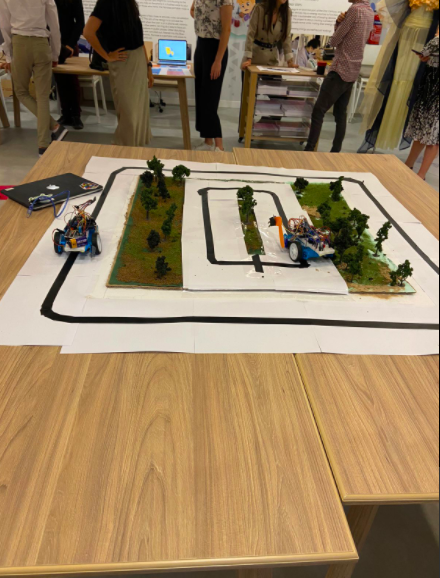
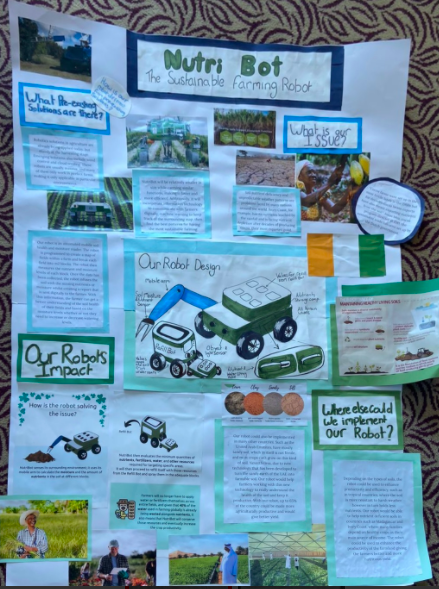
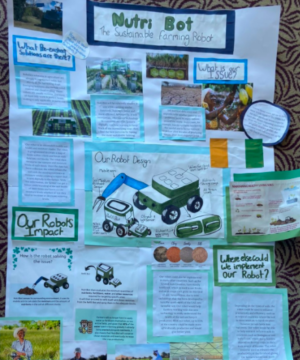
Driving Question: How can I design and build a robot – inspired by Expo 2020 and the Mobility Pavilion – that performs an action to increase our quality of life?
Our project is an autonomous conservational technology system that aims to provide efficiency in agriculture. NutriBot goes around agricultural fields and senses its surrounding environment to measure moisture levels and the type of nutrients in the soil. It then uses this data to evaluate the minimum quantities of water and nutrients necessary to keep the soil healthy and sprays them in the targeted blocks. Implementing this system will make farmers no longer have to apply water or fertilizers across entire fields. NutriBot can conserve up to 40% of water already wasted in agriculture alongside nutrients due to human error and inefficiency.
January 27, 2022 by Mila F. Mmelta M. and Guillermo H.
One of my favorite sessions was right after our wexplore, visiting Tierra del Sol. It was unbelievable. The place was fantastic and so heart-warming. Everything was so thought out and showed an impressively accurate representation of what a community space should look like. I spent such a great time there and hope to go again. I learned more than I could’ve imagined.
-Class of 2023 Student Mila F.
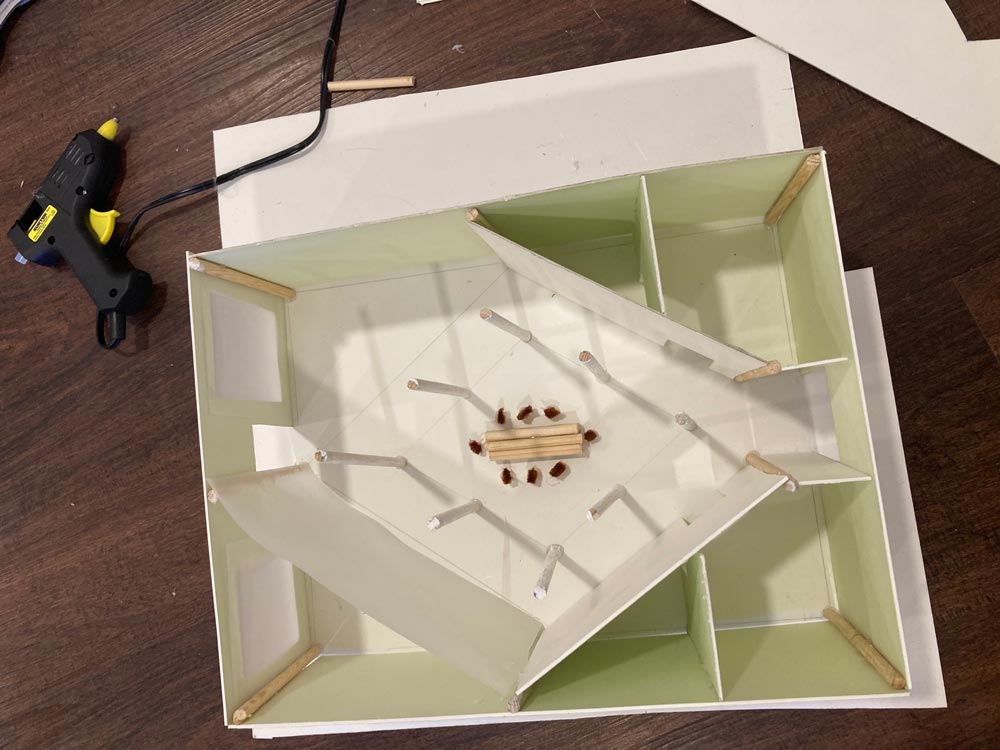
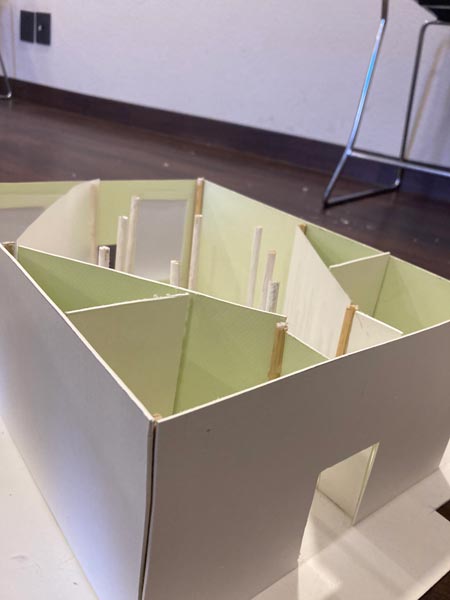
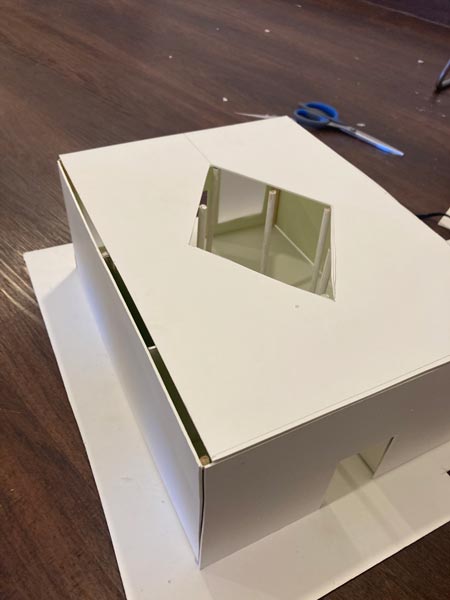
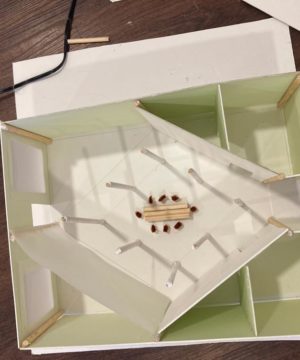
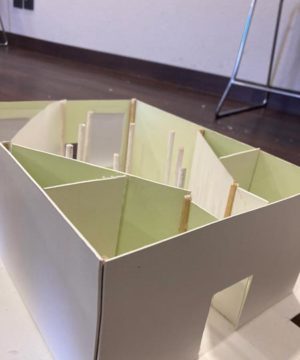
Driving Question: How might we use our understanding of architecture through time to design a context-informed structure?
Our group designed what we believe is a modern take on a traditional Oaxacan house and gastronomical hub which showcases the Oaxaca’s rich food and drink diversity.
What new things did you learn about yourself?
We learned about the impact of colonialism on Mexican architecture through our experience through seeing the use of traditional European elements that incorporate Mexican structures.
What are your big takeaway lessons from this project?
Our biggest takeaway was the process of the environmental impact analysis as I feel like the process of environmental impact analysis will be very important in any project I want to do that involves construction thinking about input and output I am putting in the environment.
Driving Question: How can I raise awareness and facilitate alternative solutions to food waste and loss in Mexico?
Project Overview: For her service project, CM2 Student Isa Luna Moro set out to facilitate a circular economy system to reduce food waste inside Queretaro’s food industry. To do so, she worked with local restaurant Moser to improve their sustainability practices and contribute to the circular economy through techniques such as composting and recycling.
Project Reflection: ““My service learning project was a journey of exploration, creativity, and boldness. During this project I decided to go out of my comfort zone and take one of my passions to the next level. I was able to improve my leadership, communication and self-confidence.”
Driving Question: How can we convey the complexities of ethnic and religious reconciliation through our experience of Bosnia and Herzegovina?
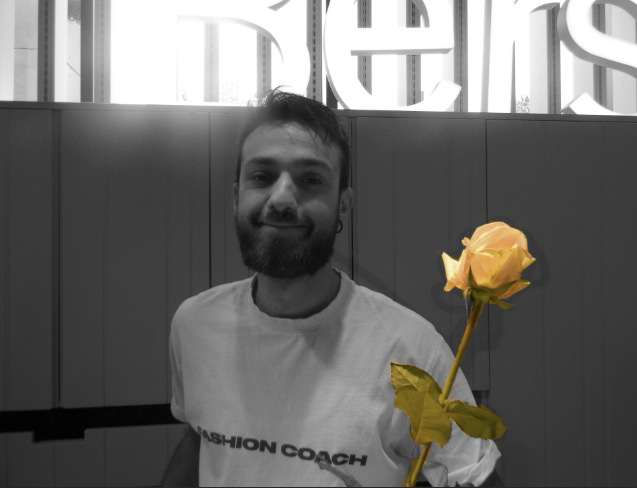
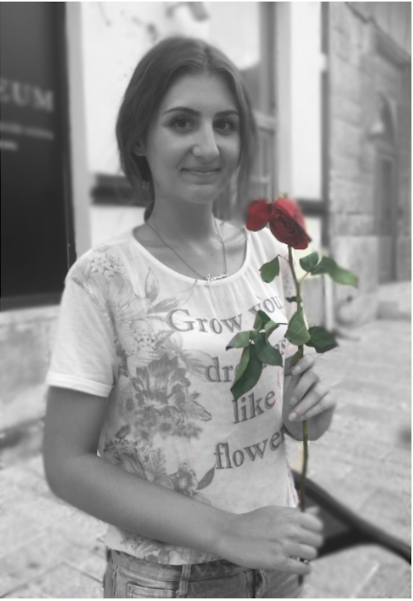
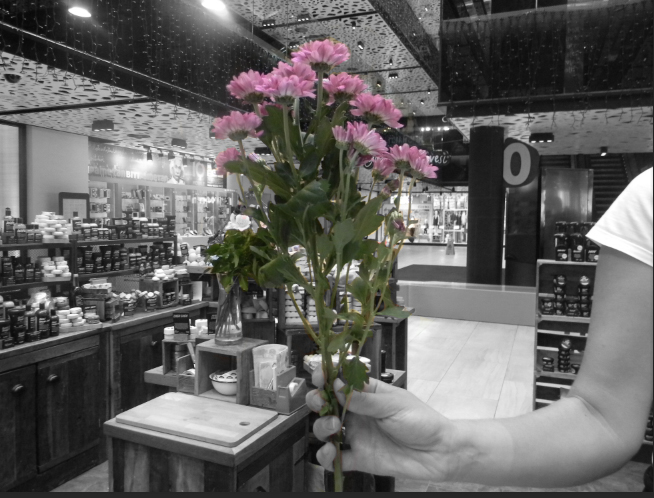
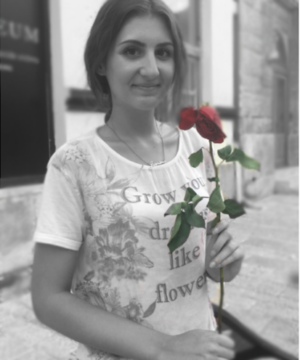
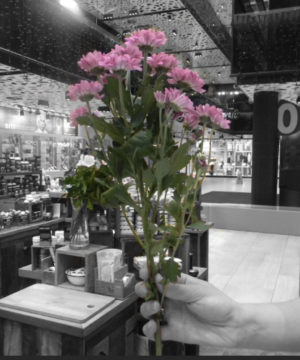
For her summative assessment, Class of 2021 student Malak B. went an artful route by working on a series of pictures of Bosnian strangers. Each held up a flower representing a value that they believe leads to reconciliation, along with a description of why they hold that belief.
The end project demonstrated how different people in Bosnia and Herzegovina hold different views on reaching reconciliation. In the end, it turns out, no matter their ethnicity, everyone strives towards the same goal.
October 8, 2020 by Nada A. Kirsten A. and Guillermo M.
Driving Question: How might we collaboratively implement a design-thinking process to meet the needs of the community we serve?
What were your goals for this module? How did you achieve them?
For this module, we all had a common goal, create a fun product for young people that will help them connect with themselves, so we produced a notebook with a lot of cool stuff in it.
What did you learn about yourself or about your creative process or about your medium?
I enjoyed researching and designing the driving questions for the journal. It was really insightful for me because I was basing what we had learned from the interviews and shaping it into something our users could interact with. I like that we were able to refine our product based on the feedback we got. At first, I thought that it would be hard to change all our work for the comments, but it turns out that it was beneficial. It made our vibey journal better.
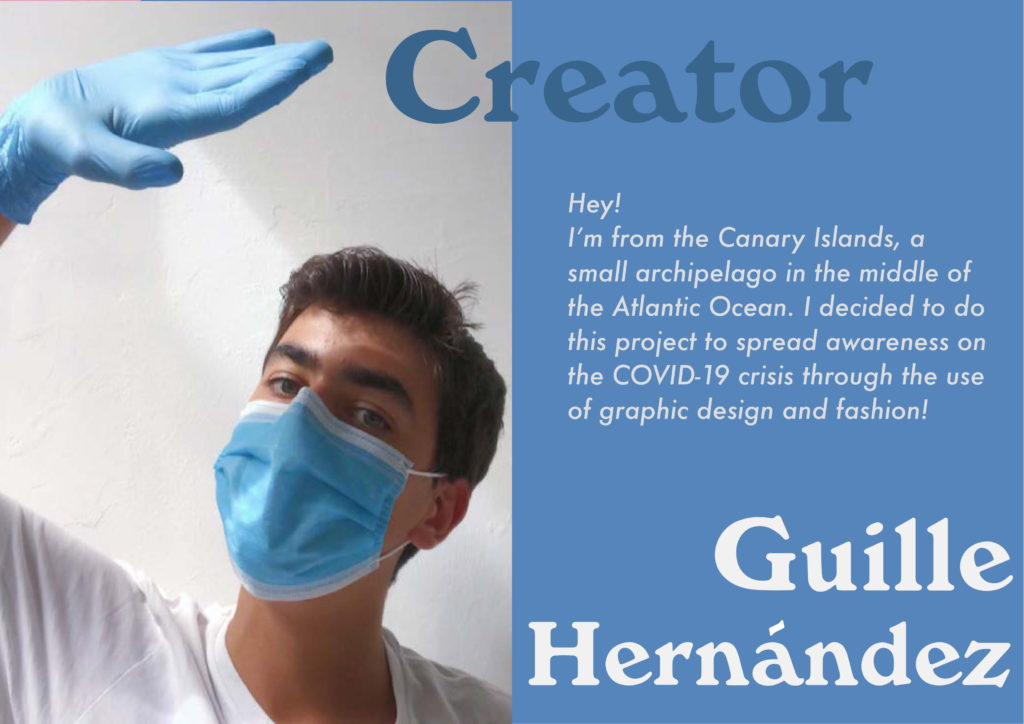
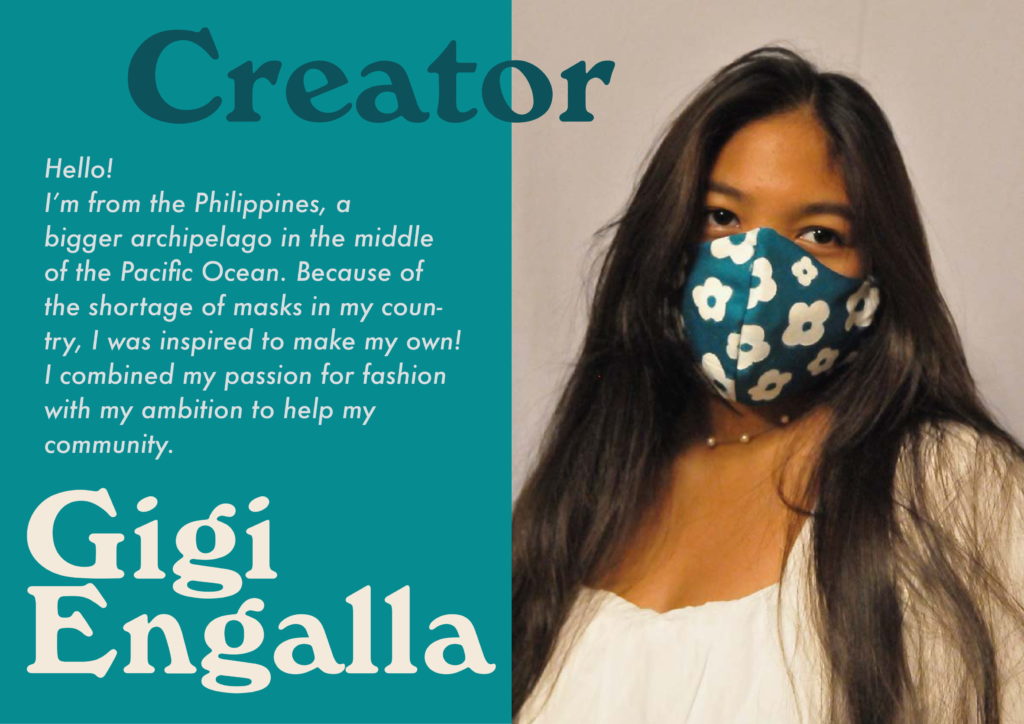
Driving Question: How might I grow my creativity during the COVID-19 crisis through exploring the science of creativity and innovation and experimenting with art?
What were your goals for this module? How did you achieve them?
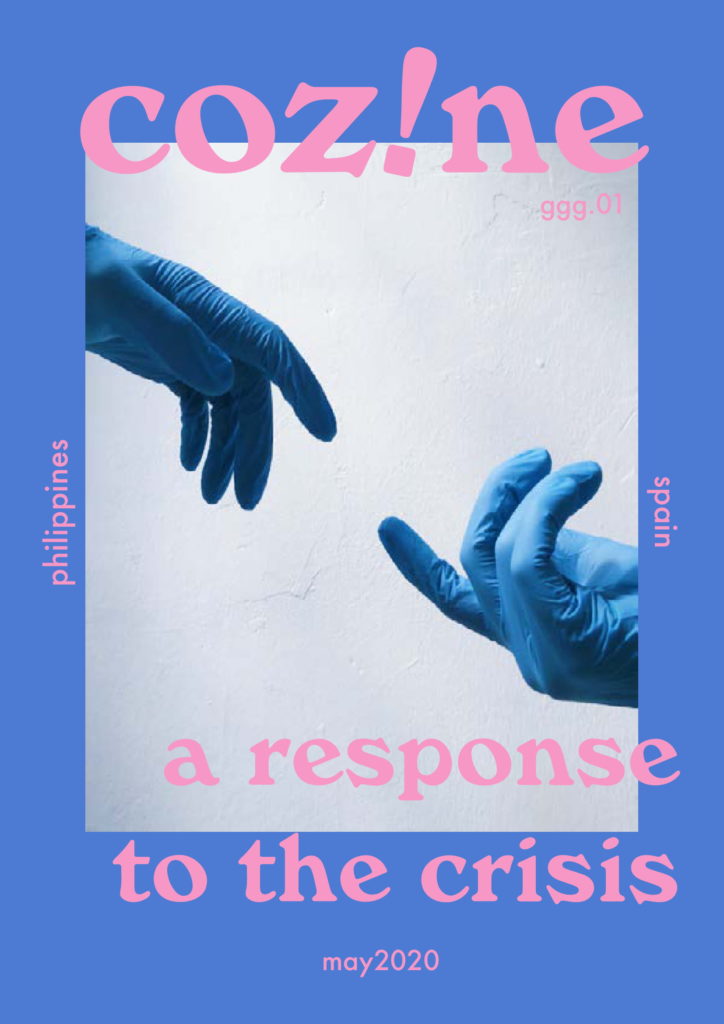
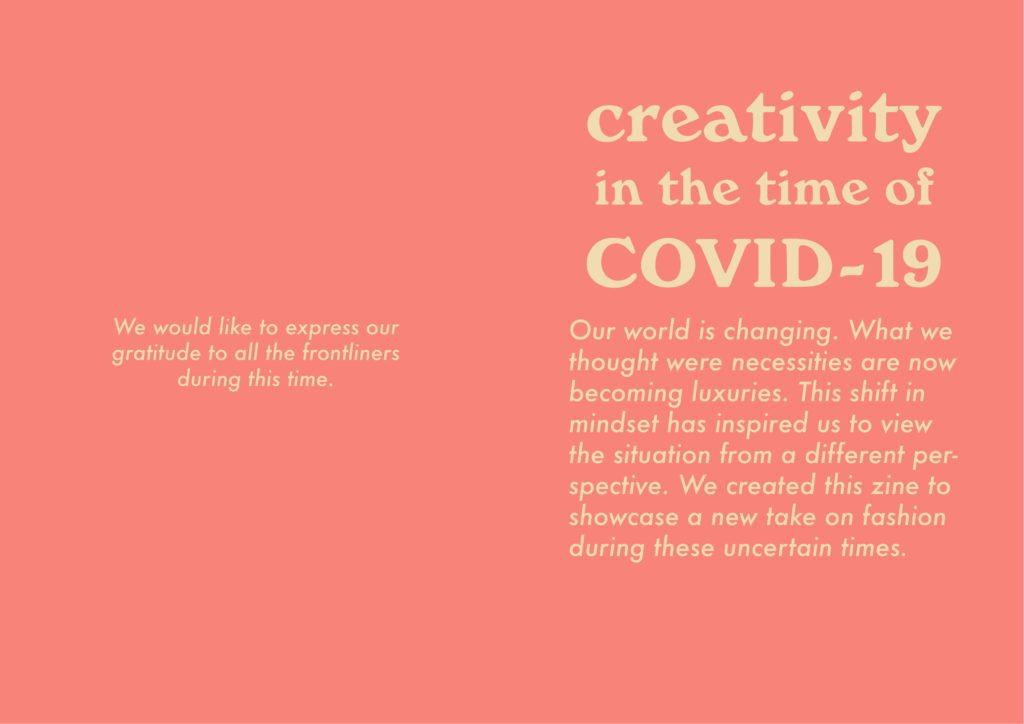
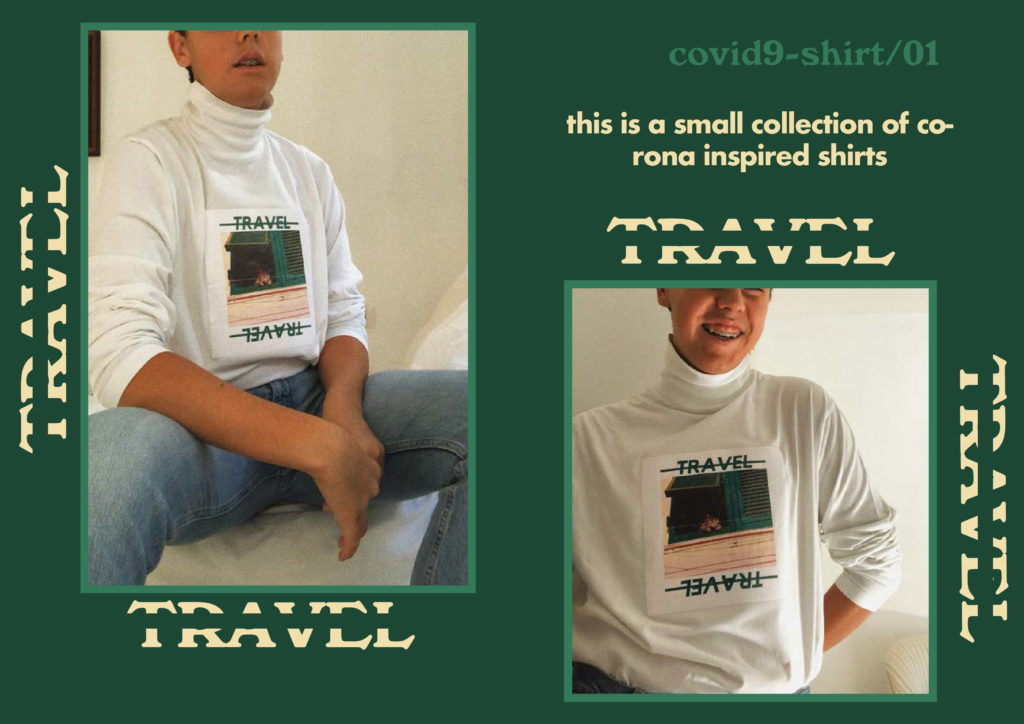
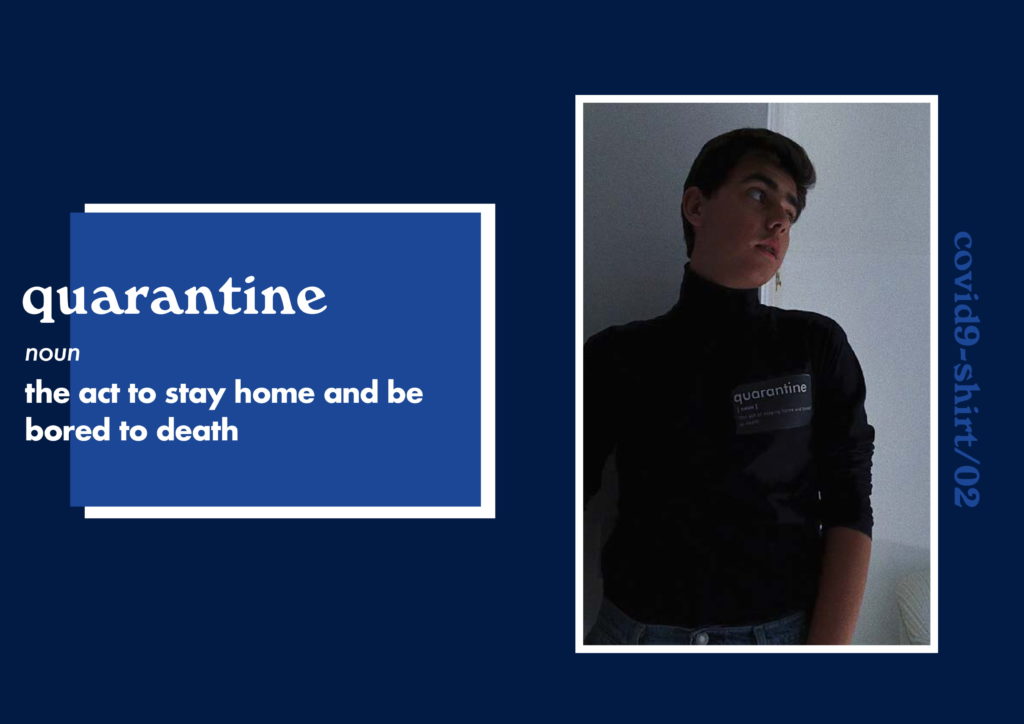
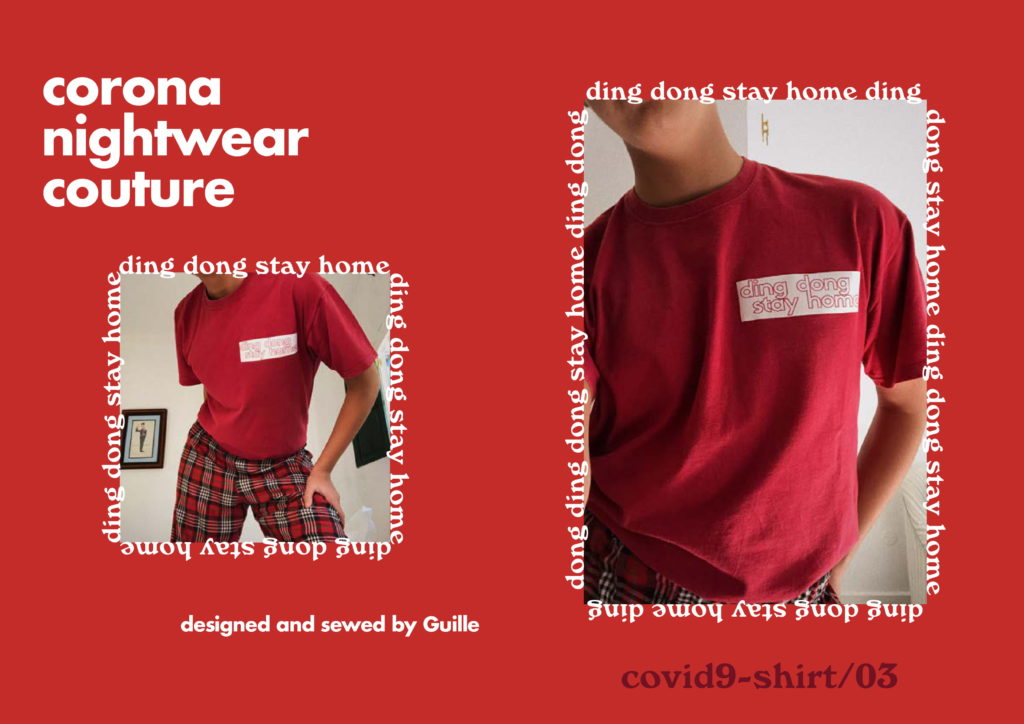
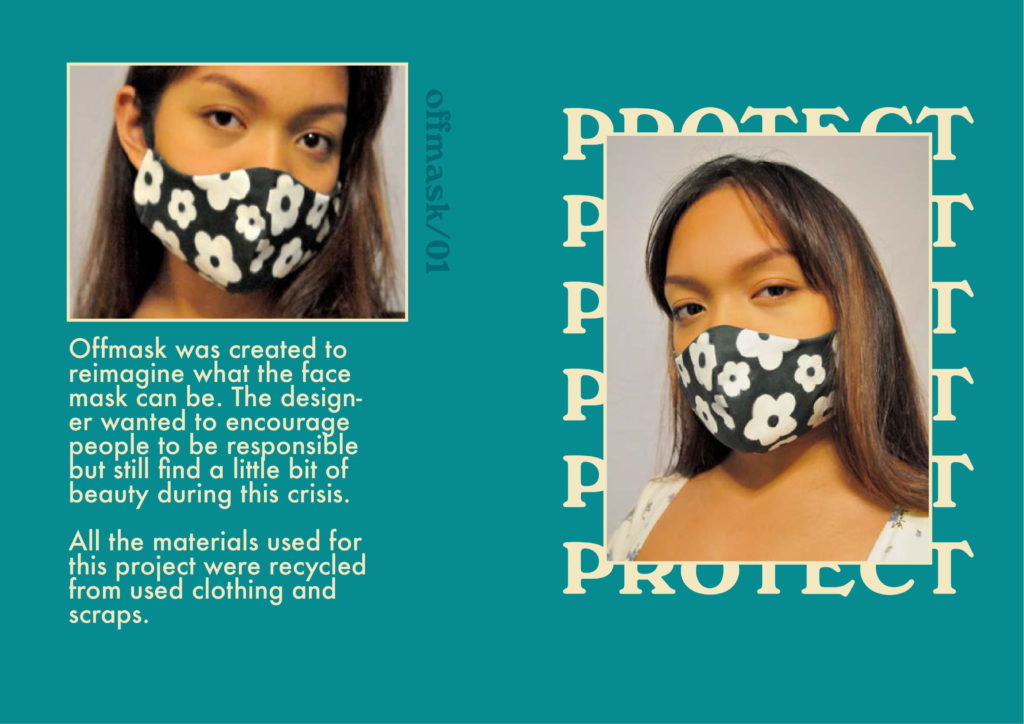
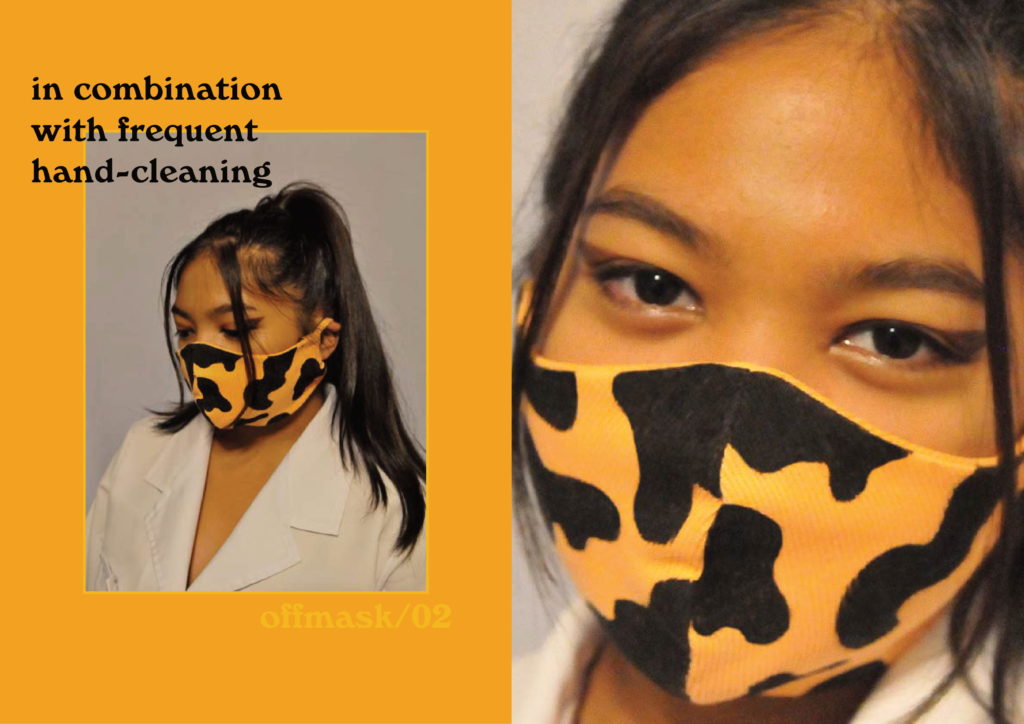
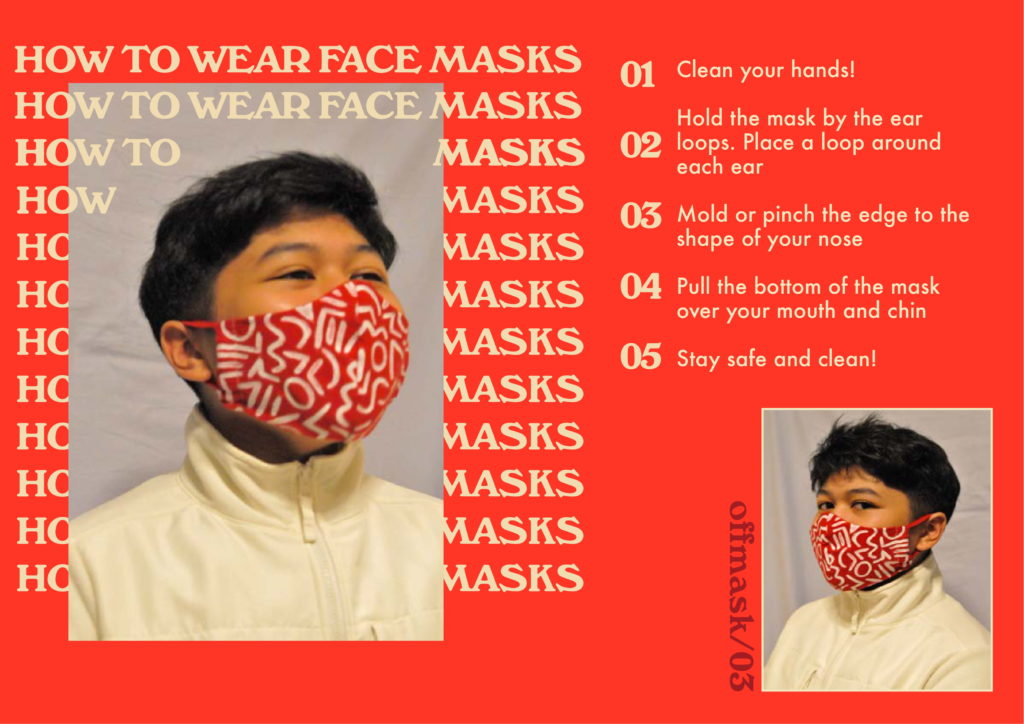
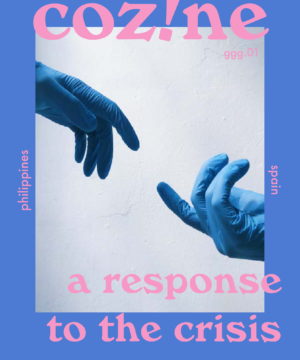
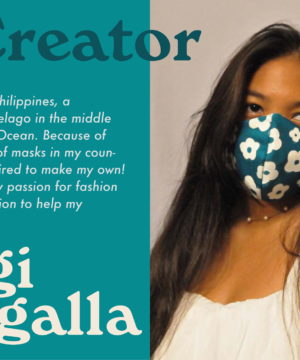
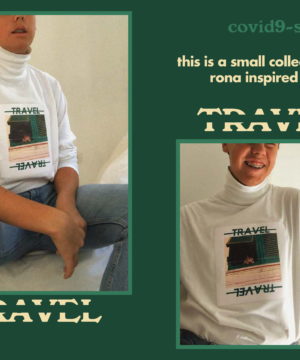
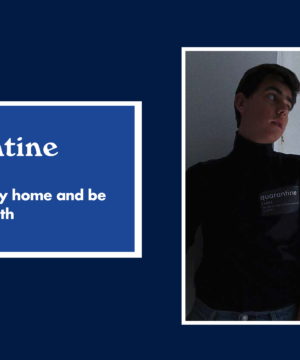
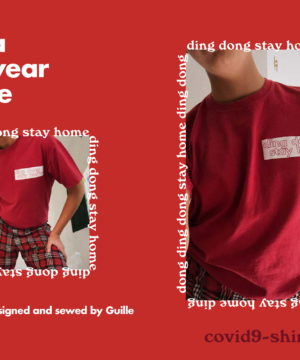
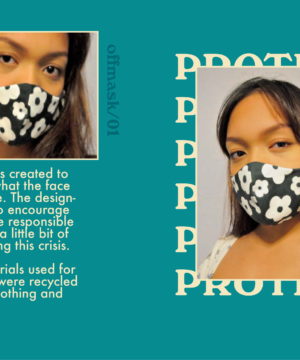
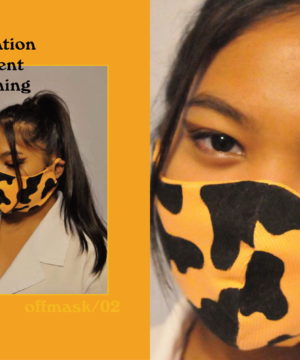
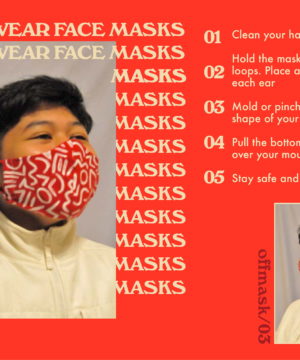
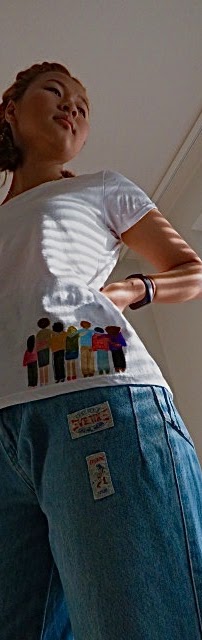
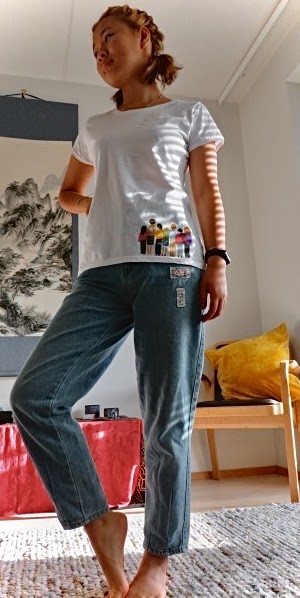
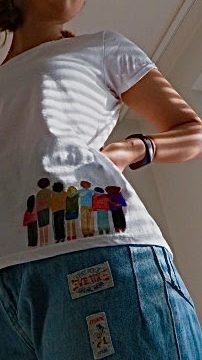
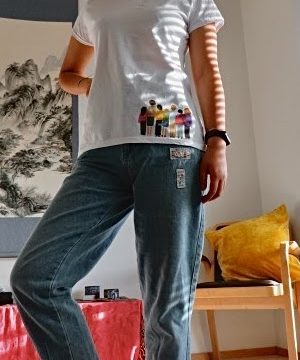
For this project, we focused on graphic design and fashion, and we achieved them by completing our summative products, a magazine that contains COVID-19 fashion pieces like graphic t-shirts and face masks.
What did you learn about yourself or about your creative process or about your medium?
Throughout the module, I wanted to focus on lessening the self-doubt that I had when coming up with new ideas. One of the biggest takeaways that I have was about how I approach feedback. Here’s a little bit from my reflection earlier this week, “After the feedback sessions, I realized that I tend to overthink my creative decisions sometimes and that usually leads to self-doubt. Having the feedback sessions so often has helped me refocus my attention to create something that I’m happy with and not actually have too much time to overthink. I’ve learned that I can work so much more efficiently when I’m not worrying about unnecessary things.” This was really helpful to learn since I’m going to start working on my mastery project soon and feedback is a crucial part of the whole mastery process. Now, I’m more aware of how I like to work, and when feedback is the most helpful to my process. -Gigi
Driving Question: How might I grow my creativity during the COVID-19 crisis through exploring the science of creativity and innovation and experimenting with art?
What were your goals for this module? How did you achieve them?
My goal for this module was to escape the confines of my own four walls. I wanted to create something that showcased my yearning for what I was missing out on. To do this, I had to identify what was missing; in my case, it was my friends, the term in Florence, and TGS as a whole community. I then had to figure out how I could show this to the outside world; how could I incorporate creativity in the essence of this module to my wishes.
What did you learn about yourself or about your creative process or about your medium?
I learned the skill of perseverance and that I am 100% a night owl, no questions asked. I learned that my best times to be creative was around 4 AM with music blasting through my headphones, my comfy jumper, and a cup of builders tea. I learned that if you mess up and get paint somewhere, it’s not supposed to be, you have three options: Cry, Paint over it with the closest color to the fabric and pray nobody notices or adapt and add it to your work. I used all three options.