Back
  1. Narrative of Life

    December 10, 2024 by Teacher-Led Module

    Driving Question:

    How can we use multimedia literary expression to tell the story of conservation of biodiversity in Brazil?

    Module Summary:

    The teacher-led module “Narrative of Life” explores how storytelling can be used to communicate the importance of biodiversity conservation in Brazil. Guided by the driving question, how can we use multimedia literary pieces to tell the story of conservation of biodiversity in Brazil, students investigate environmental issues through creative expression, combining research with artistic interpretation to raise awareness about human impact on nature.

    Throughout the module, students participate in a range of field experiences, workshops, and expert-led sessions that deepen their understanding of conservation and storytelling. Learners engage with professionals such as an agroforestry project leader, take part in poetry and vocal workshops, and join a boat expedition with a marine bioacoustics expert. A key highlight of the module is a week spent in the Amazon, where students gain firsthand insight into biodiversity and conservation efforts, supported by local organizations and experts.

    In their final projects, students create immersive multimedia literary pieces that communicate environmental narratives in creative ways. These projects include performances, writing, and audiovisual storytelling that aim to inspire awareness and action. For example, students present works such as a song that personifies nature to highlight the impact of human exploitation, using artistic expression to convey complex environmental issues. Through this interdisciplinary approach, the module emphasizes the power of storytelling in driving meaningful change and fostering a deeper connection to the natural world.

  2. Quake Quest

    September 12, 2024 by Teacher-Led Module

    Driving Question:

    How can we improve earthquakes preparedness in Vancouver through collaboration and innovation?

    Module Summary:

    The teacher-led module “Quake Quest” explores the science, history, and societal impact of earthquakes in Vancouver and the surrounding region. Guided by the driving question, how can we improve earthquake preparedness in Vancouver through collaboration and innovation, students investigate the risks associated with seismic activity and the strategies communities use to prepare for and respond to natural disasters. The module emphasizes interdisciplinary learning, combining science, mathematics, history, and technology to better understand earthquake preparedness.

    Throughout the module, students learn from guest speakers, field experiences, and hands-on investigations that deepen their understanding of earthquakes and disaster response. Students explore Indigenous knowledge through stories such as the Thunderbird and Whale, which help explain natural phenomena and preserve historical records of seismic events. They also receive training in emergency preparedness from Christine Bodnarchuk of the BC Earthquake Alliance, learning essential safety practices such as “Drop, Cover, and Hold On.” Additional speakers introduce topics including search-and-rescue operations with trained dogs, artificial intelligence in disaster response, and the role of satellite data in detecting ground movement after earthquakes.

    Students also participate in experiential learning opportunities, including visits to local geological landmarks along the Sea-to-Sky corridor and the Museum of Anthropology, where they explore both the geological causes of earthquakes and their cultural and historical impacts. In their final assessments, students apply their learning by creating tabletop games that incorporate earthquake science and probability concepts, as well as developing AI-based proposals aimed at improving earthquake preparedness, response, and recovery. Through these projects, students demonstrate how collaboration, technology, and education can help communities better prepare for future seismic events.

  3. Roof Rights

    by Teacher-Led Module

    Driving Question:

    How can we understand the impact of equity and Canadian policies on the unhoused populations of Vancouver to propose new policies?

    Module Summary:

    The teacher-led module “Roof Rights” explores the challenges of housing affordability and homelessness in Vancouver. Guided by the driving question, how can we understand the impact of equity and Canadian policies on Vancouver’s homeless population in order to propose new policies, students investigate the social, economic, and political factors that shape housing access in the city. The module encourages learners to analyze real-world systems and develop policy-based solutions to address the housing and homelessness crisis.

    Throughout the module, students conduct independent research, field visits, and discussions with experts to better understand the issue. Learners visit sites such as the Chinatown Foundation and East Hastings, where they observe initiatives focused on supporting unhoused individuals and revitalizing communities. They also explore other areas of Vancouver, including Deep Cove, to examine the contrast between neighborhoods with high livability and those facing significant housing challenges. These experiences help students understand how access to services, resources, and inclusive infrastructure shapes quality of life in urban environments.

    Students also learn from guest speakers and researchers who share insights into homelessness, drug policy, and social support systems in Vancouver. Speakers include filmmaker Dominic Streeter, author Travis Lupick, and researcher Jing Xue, who discuss topics such as substance use, safe injection sites, and experimental housing initiatives. The module culminates with students developing policy proposals aimed at improving support systems for unhoused populations, addressing areas such as community centers, rehabilitation programs, mental health resources, and housing assistance.

  4. Beyond Existing

    by Teacher-Led Module

    Driving Question:

    How can we apply our learning of indigenous environmental advocacy in Canada to create a sustainable NGO in our home country?

    Module Summary:

    The teacher-led module “Beyond Existing” explores the intersection of Indigenous environmental advocacy and NGO development in Canada. During the module, students examine how Indigenous perspectives, histories, and cultural traditions shape approaches to environmental stewardship and community advocacy. The module challenges students to consider how these lessons can be applied globally by asking the driving question: how can students use their learning about Indigenous environmental advocacy in Canada to create a sustainable NGO in their home countries?

    Throughout the module, students engage in an immersive learning experience that combines research, workshops, guest speakers, and field experiences. Learners begin by building foundational knowledge about Indigenous history, culture, and social narratives in Canada before exploring real-world examples of advocacy and nonprofit work. Students also travel to Bowen Island, where they meet Indigenous artist and storyteller Simon James and learn about cultural practices such as totem pole carving, as well as visit the Chinatown Storytelling Centre to explore the relationship between governments and NGOs.

    In the later stages of the module, students participate in workshops focused on NGO development and social entrepreneurship, learning how to craft mission statements, develop a theory of change, and frame social issues effectively. Students also meet leaders such as Chloë Fraser, an environmental advocate and TGS alumna, and community figures including Karlen Thomas and Manvi Bhalla, who share their experiences in advocacy and nonprofit leadership. The module culminates in a charity ball event, where students pitch their NGO ideas to a panel of guests in order to secure support for their initiatives and demonstrate how they can apply their learning to create meaningful change.

  5. Info Link

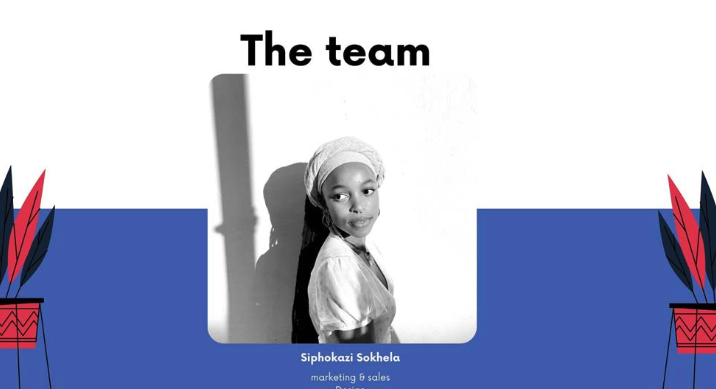
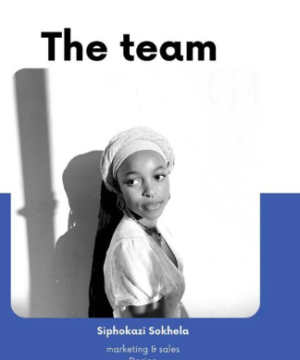
    July 26, 2022 by Siphokazi S.

    Driving Question: How might we use blockchain technology to create future innovative ventures?

    What were your goals for this module? How did you achieve them?

    At the beginning of this module, I wasn’t quite sure what blockchain was and all I wanted to do was figure it out. By the end of the module, I was able to go beyond just understanding basic blockchain I was able to merge it with something that I enjoyed in my summative product.

    What new things did you learn about yourself?

    I learned to embody the TGS core value of grit, as I was online because of COVID this term. It really taught me to be patient with myself and to let my curiosity fuel me and challenge me to learn something new. This term was full of a lot of personal growth and I can proudly say I’m not the same as I was in the beginning of the term.

    What are your big takeaway lessons from this project?

    I think that my biggest lesson is to trust myself. At the beginning of this project, I was scared that I wouldn’t understand anything because I didn’t have a background in tech and coding. I thought I would really struggle, and before I even started the module, I was stressed about it. But I convinced myself to open my mind and be positive and to link it with something I understood.
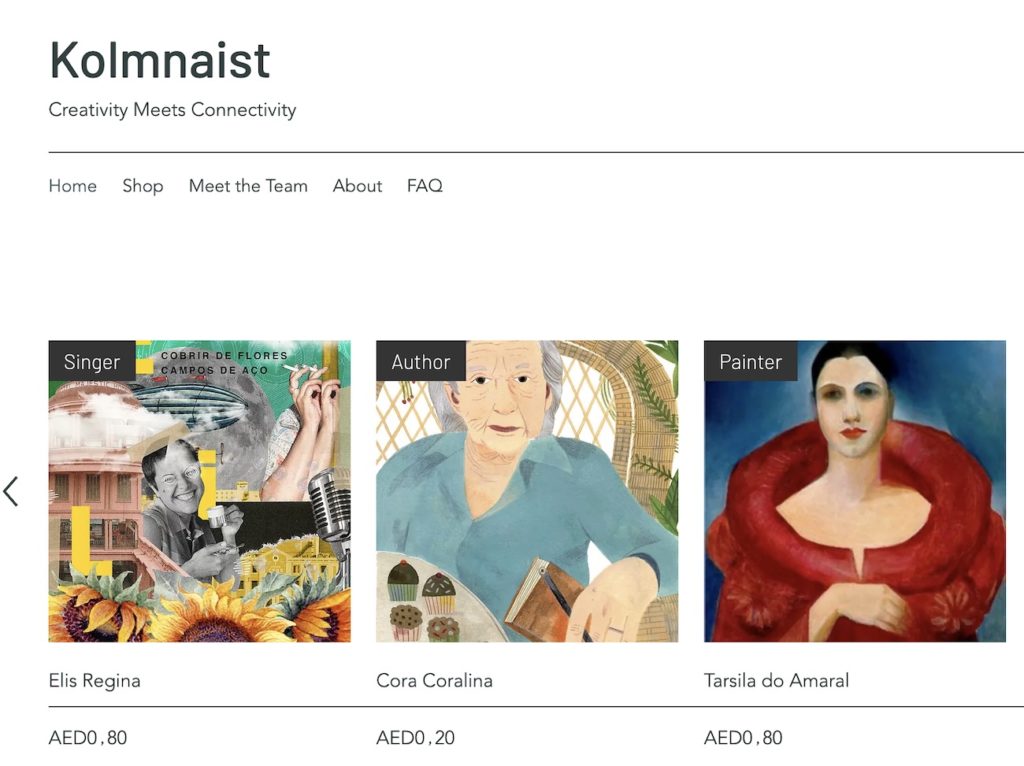
  6. Kolmnaist: A Female-focused NFT Project

    by Methini G., Helena F., and Viktoria L.

    View their project here: https://viktorial33.wixsite.com/kolmnaist/

    Driving Question: How might we use blockchain technology to create future innovative ventures?

    What were your goals for this module?

    Helena: My biggest goal for the module was having good teamwork with my peers, learning about blockchain, and applying it to something I am really passionate about. Having an impactful final summative that showcases an issue is so important for our community, and I’m proud to see that we achieved all of them together.

    Methini: For our module summative, my teammates and I designed a project called Kolmnaist, which means three women. The theme of our project was using blockchain technology to create an NFT collection that empowers women from India, Estonia, and Brazil.

    My goal for this module was to understand what blockchain is and how it works because blockchain was a whole new topic for me. When we started learning about blockchain, all I could think about was its negative aspects, like affecting the environment and people. But later on, we explored how we can use blockchain for a positive impact.

    Studying the fourth industrial revolution is genuinely a shock on how innovative the world is becoming.

    What new things did you learn about yourselves?

    Helena: I learned that I am actually very interested in exploring this technology that, at first, I didn’t think I was ever going to connect to.

    Methini: I learned to develop my pitching skills and also realized that I’m not too fond of blockchain and its future roles in our day-to-day life.

    What are your biggest takeaway lessons from this project?

    Helena: I think I learned a lot about adversity and dealing with things going out of plan, but still being able to adapt and make the most out of it.

    Methini: My biggest takeaway from this module is to be confident while pitching/presenting, have clear eye contact with the audience, and understand ways to use blockchain positively.

  7. Cash $Back

    by Noah D.

    Driving Question: How might we use blockchain technology to create future innovative ventures?

    What were your goals for this module? How did you achieve them?

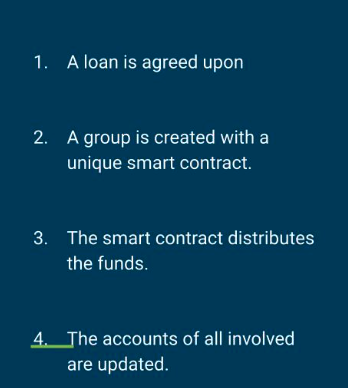
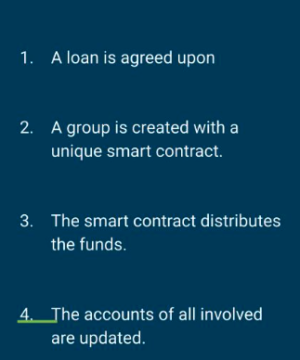
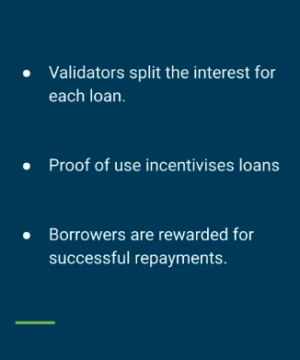
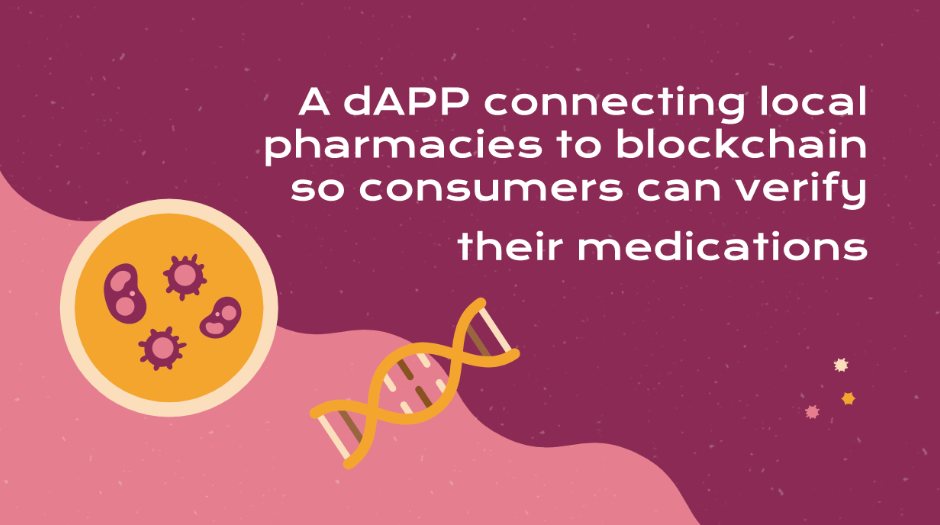
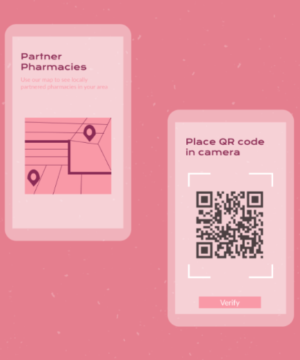
    My goal for this module was to develop a solid and applicable understanding of blockchain. Coming in, I knew absolutely nothing about NFTs, cryptocurrency, decentralized finance, or web 3.0. Now, I can say that I have a significant knowledge bank about these emerging technologies. I was able to apply my understanding to create a wireframe and white paper for a decentralized face-to-face loaning platform: Cash $Back.

    What new things did you learn about yourself?

    Through this module, I learned a lot about the feedback process. I had multiple ideas for my module summative that I was really excited about. However, when I brought them up with guest speakers and module leads, they got picked apart and heavily criticized. I realized that I didn’t know quite as much as I thought about blockchain, and as such was able to begin seeing this feedback not as something to fear, but something to learn from. By the end of the module, I hoped for critical feedback on my work, as I knew that that is what would help me the most.
    What are your big takeaway lessons from this project?

    From this module, I took away a really good understanding of a technology that could be very relevant to all of us in the future. I found a passion for design – spending hours on end choosing color palettes, font combinations and arranging features for my wireframe. I came to new realizations about how educational access and wealth inequality can hinder or aid the adoption of new technologies – an insight into the privilege I have to do so. Finally, I came up with an idea that, if developed properly, could lead me to a path of dApp development and entrepreneurship. Blockchain is now a huge passion of mine.

  8. Fila Tigui

    July 25, 2022 by Yeli K.


    Driving Question:
    How might we use blockchain technology to create future innovative ventures?

    What were your goals for this module?

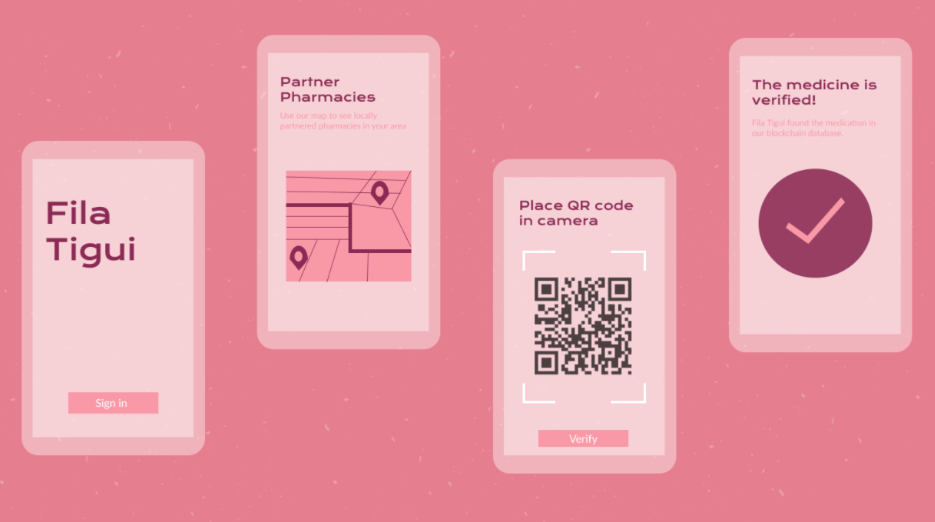
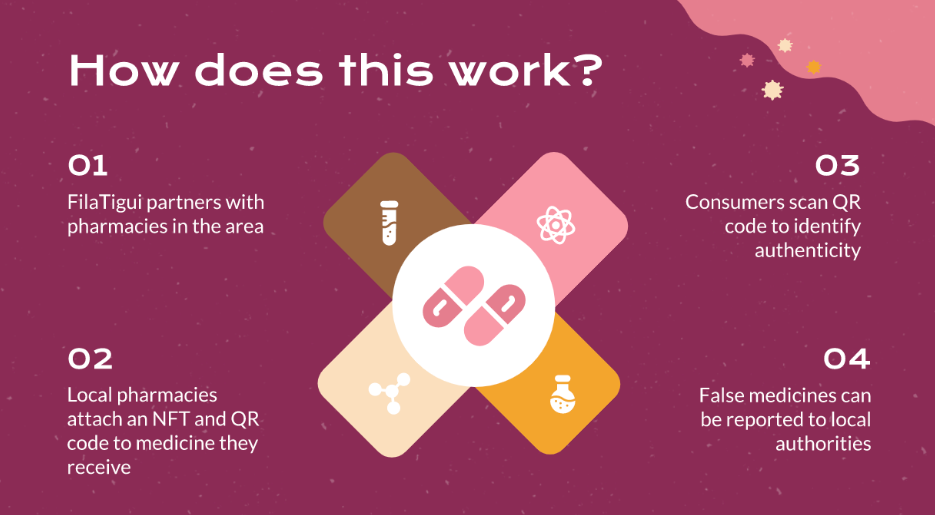
    My goal for this module was to design a decentralized app, token/coin, or NFT collection based on a concrete understanding of what blockchain is. I achieved my goals by being particularly attentive with our guest speakers and asking many questions to understand what blockchain is.

    What new things did you learn about yourself?

    I learned how interested I am for the potential impact of Web 3.0 on our world.

    What are your big takeaway lessons from this project?

    Blockchain is the future.

  9. Biocities: Building a Better Farming System

    June 15, 2021 by Seb O.

    Driving Question: How can I apply my understanding of closed system ecosystems to design a better farming system in my city?

    Module Overview: In the Biocities module, Seb looked at how naturally functional systems work and how we can apply that understanding to increase the efficiency of food production in a more sustainable and resilient fashion.

    Project Reflection: “The Biocities module was really interesting. I loved the independence given by the educators and the ability to take the product where I wanted to take it. I learned so much about agriculture, useful 3D design skills, and animation techniques and was able to conduct a closed-system experiment via a BioBottle.”

  10. Discourse and Dialogues With Zines Module: Rupert Murdoch

    January 14, 2021 by Xavier J.

    Driving Question: How can I use creative art practices to engage in discourse and dialogue on counterculture, social justice or everyday life through zines?

    Project Description:

    In this module I made a zine (book) about the life of Rupert Murdoch, why he does what he does, and how his influence works.

    Quote:

    I learned that with a little bit of inspiration and a non-judgemental audience, art becomes a lot easier.

Sign up if you would like to receive occasional news from us.

Subscribe